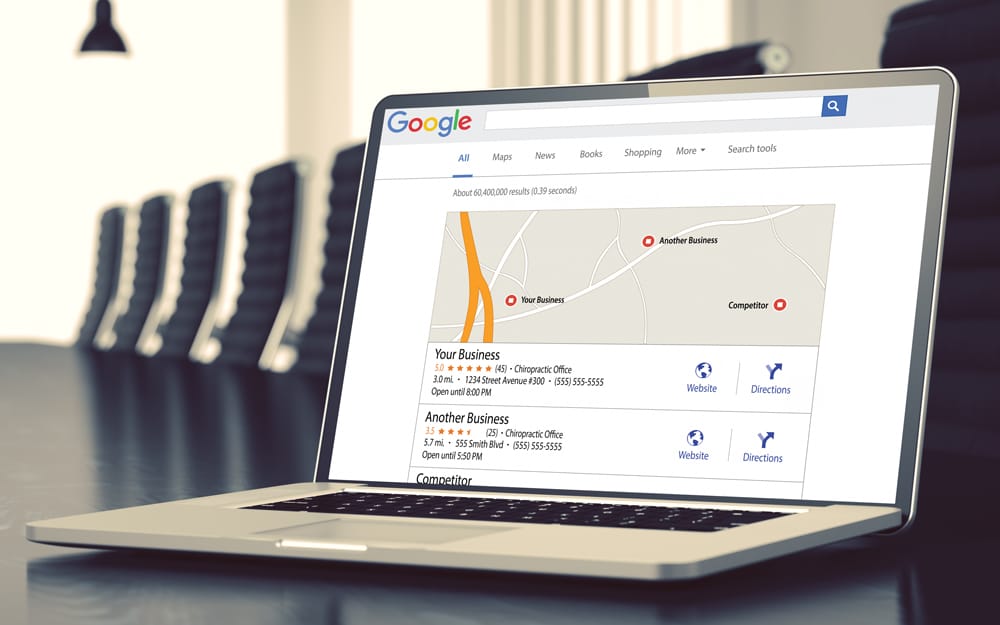






The way people find classified information has changed dramatically over the last few decades. What once depended heavily on printed newspapers and simple classified pages has gradually moved toward searchable digital platforms.
The Baltic region has followed the same broad pattern. As internet access became more common, classified advertising moved online, bringing better search tools, photographs, location filters, and faster updates.
The change is easy to see when comparing an old style classified page with a modern directory.

The Early Classified Model
Traditional classified advertisements were limited by space. A small advertisement might contain only a few lines of text and a telephone number.
Readers had to scan the page manually. If they wanted information about a different city, they had to search through another section of the publication.
It worked, but it was slow.
The biggest limitations were:
- Very little space for information
- No instant updates
- Limited photographs
- Difficult location searching
- Delayed communication
The internet removed many of these restrictions.
The Move Online
Once directories became digital, the amount of information available on a single page increased significantly.
Users could search by city, category, age range, availability, or other characteristics depending on the platform.
Photographs also became a normal part of profiles. Instead of reading three lines of text, visitors could review a much more detailed profile before deciding whether to continue.
This changed expectations. People began to expect faster searches and more current information.
Mobile Access Changed Things Again
The smartphone was another major turning point.
People no longer needed to sit at a desktop computer to browse classified information. Mobile friendly directories made it possible to search while traveling, during breaks, or from almost anywhere with an internet connection.
For Baltic cities with regular tourism and cross border travel, mobile access can be particularly practical.
A visitor arriving in Riga, for example, can search local information from a phone instead of finding a printed publication.
More Information, More Responsibility
Digital platforms solved some old problems but created new ones.
Fake profiles, copied photographs, outdated listings, misleading descriptions, and privacy concerns can all appear online.
That means modern users need to be more careful about evaluating information.
A useful approach is to check:
- How recently the profile was updated.
- Whether the information is consistent.
- Whether the platform explains its policies.
- Whether contact methods seem legitimate.
- Whether anything creates unnecessary pressure.
Where Directories Are Heading
Modern directories increasingly focus on search speed, mobile design, location tools, and profile management.
The next stage is likely to involve even more automated systems for identifying inactive listings, organizing information, and improving search results.
But technology cannot completely replace common sense.
Final Thoughts
The journey from printed classified pages to digital directories has made searching faster and more convenient. Users can now find location based information within seconds rather than spending time scanning pages.
At the same time, having more information does not automatically mean having better information.
The practical lesson is simple: use modern search tools for convenience, but still check details, protect privacy, and think critically about what you see online.